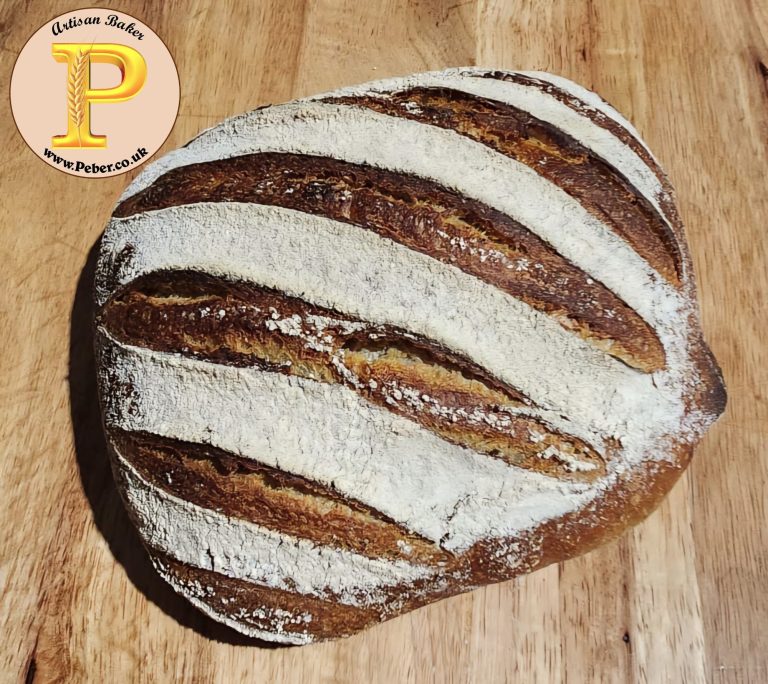
Introducing a First in the UK: 

🥖 SIGNATURE BREAD 

PEBER x LES MOULINS D’ANTOINE


Your Bread. Your Name. Our Flour.

At Peber, we believe every chef or passionate baker deserves a bread that stands apart — a loaf with story, soul, and signature. Save time and money with Sourdough making with Peber.


That’s why we created Signature Bread — a one-of-a-kind offer that allows you to design your own sourdough recipe, choose from our range of French-milled flours by Les Moulins d’Antoine, and bake in your kitchen a bread that is truly yours under the guidance of François a French-born, French-trained artisan baker

Bespoke bakery service UK enabling you to design with our flours a blend to create and bake your own bread in your kitchens

✳️ How It Works

Choose Your Base Flours
Select from our exclusive range of Les Moulins d’Antoine flours — from classic T65 and T80 blends to rustic heritage varieties. Each offers unique flavour, colour, and hydration.

Create Your Blend
We’ll work with you to balance strength, aroma, and crumb to craft a flour mix that reflects your style and purpose — from refined baguettes to deep, nutty sourdoughs.

Name Your Bread
Give your loaf a name, your logo, or your story. Whether for a restaurant, hotel, bakery, or retail shelf, your signature bread becomes part of your brand identity.

Bake & Share
Your custom blend is prepared by you in one x 3.5 kg bags (x6 per box, that can be all different), ready for your kitchen, delivered nationwide.


🌾 Why Create a Signature Bread with Peber

Authentic French Milling Heritage
Your blend begins with flours from Les Moulins d’Antoine — a family-run mill in Auvergne, France, trusted by the country’s finest artisans.

Artisan Guidance
Created by François — a French-born, French-trained baker with years of professional experience in natural fermentation and flour science. SCH PRO is a 2 day intensive training. Pdf Intro available here

Exclusive & Personalised
Every recipe is unique — your bread, your name, your identity.

Practical Format for Trade & Retail
Designed for chefs, hotels, bakeries, and small producers — convenient 3.5 kg bags (6 per box).

Nationwide Delivery
Hand-packed in Cornwall and shipped across the UK with Fedex.


💬 Our Promise

“We bring the finest French flours to your hands — then help you transform them into a bread that tells your story. Together, we’ll create something that carries your name and our shared passion for real artisan craft.”
— François , Head Baker & Julie Pastry Chef, a family team at Peber (About us)


🧰 Perfect For

  • Hotels & restaurants looking for a signature house bread.
  • Artisan bakeries seeking a unique product line.
  • Delis or farm shops developing private-label ranges.
  • Home bakers and microbakeries wanting to stand out.
  •  

📨 Let’s Create Together

Start your signature bread today.
We’ll guide you step by step — from flour selection to fermentation.

Milled in Auvergne. Baked in Cornwall. Shared across the UK.

1. Understand the Role of Different Flours


Each flour contributes unique qualities:

  • Bread flour (high-protein wheat, ~12–14%)
    → Strong gluten network, good rise, chewy crumb. Both our T65 White Rouge et Or and T80 Meule d'Auvergne 
  • All-purpose flour (medium protein, ~10–11%)
    → Balanced texture, softer crumb, less chew. The 55 White Origin
  • Whole wheat flour
    → Adds nutty, earthy flavor; more nutrients; speeds fermentation; can make bread denser. Our T150 Complete
  • Rye flour
    → Very flavorful, slightly sour; low gluten; increases stickiness; promotes lactic acid bacteria growth. We propose the pure T130 Rye
  • Spelt and Poulard, both T80 ancient grains → Mild, sweet, and nutty flavours; weaker gluten; more extensibility for stretchy dough.
  • Specialty flours → Each adds unique aroma and color but usually weakens gluten. Example our chestnuts, Corn and Cereals

2. Ratios and Starting Points


When making flour blends, think in % percentages of the total flour weight (baker’s percentage).

A few tested combinations:


3. Adjusting Hydration


Different flours absorb water differently:


White bread/AP flour → 65–75% hydration is typical.

Whole wheat/rye/spelt → Add more water, 75–85%.

High % whole grains → Often need soaking or autolyse to soften dough.


4. Flavour Strategy


Sweeter, milder loaves → More spelt, less rye.

Tangier, complex loaves → Higher rye %, longer ferment.

Nutty & hearty → More whole wheat, plus seeds (sunflower, flax, sesame).

Light & open crumb → More white flour, moderate hydration.


5. Experimenting & Logging


  • Keep a bread journal. Write flour mix, hydration, fermentation time, taste, texture.
  • Change one variable at a time. If a mix is too dense, increase bread flour or hydration.
  • Bake small loaves or boules for quicker iteration.

Pro Tip: Start with 10–20% of an alternative flour (rye, spelt, ancient grains) blended with bread flour. Once you know how it behaves, you can push to 30–40% or more.


Let’s put together a set of 7 distinct sourdough flour blend recipes. Each has a clear goal (flavor, texture, style) and suggested hydration. Ratios are by percentage of total flour weight.

Classic artisan mix
70% bread flour
20% whole wheat
10% rye

Rustic country mix
60% bread flour
30% whole wheat
10% spelt

High-whole grain mix
50% bread flour
30% whole wheat
20% rye or spelt

Experimental multi-grain
60% bread flour
20% whole wheat
10% rye
10% oats/barley/buckwheat

Light sourdough with soft crumb
80% all-purpose
10% whole wheat
10% rye

🌾 7 Flour Mix Recipes for Sourdough


  • 1. Everyday Artisan Loaf (balanced flavor & open crumb)

70% bread flour

20% whole wheat

10% rye
Hydration: 70–75%


Notes: Classic country sourdough profile—nutty, slightly tangy, good oven spring.


  • 2. Light & Mild White Sourdough (soft crumb, kid-friendly)

80% all-purpose flour

15% bread flour

5% whole wheat
Hydration: 68–72%


Notes: Softer crust, lighter chew. Less acidity, good “entry-level” sourdough.


  • 3. Rustic Whole Grain Country Bread (earthy, hearty)

60% bread flour

25% whole wheat

15% spelt
Hydration: 75–78%


Notes: Rustic, nutty, and more extensible dough. Great with cheese & soup.


  • 4. Nordic-Style Rye Blend (deep, tangy, darker crumb)

50% bread flour

30% rye

20% whole wheat
Hydration: 80–85%


Notes: Moist, sticky dough with sour depth. Works well in tins. Slice thin.


  • 5. Ancient Grain Harmony (sweet, complex flavor)

50% bread flour

20% einkorn

15% spelt

15% emmer or kamut
Hydration: 75–80%


Notes: Delicate gluten, so gentle handling needed. Mildly sweet, golden crumb.


  • 6. Multi-Grain Hearth Loaf (texture + nutrition)

60% bread flour

20% whole wheat

10% rye

10% rolled oats/barley/buckwheat (soaked beforehand)
Hydration: 78–82%


Notes: Chunky, hearty crumb. Oats need pre-soaking to avoid dryness.


  • 7. High-Whole Grain Power Bread (dense, nourishing, very hearty)

40% bread flour

30% whole wheat

20% rye

10% spelt
Hydration: 80–85%


Notes: Dense, nutrient-rich. Ideal for open sandwiches with strong toppings.

💡 François , Head baker at Peber would like to advise you .


How to Test These

-Keep salt consistent (2% of flour weight).

-Start with bulk fermentation ~4–5 hours at room temp, adjust based on dough activity.

-Always autolyse 30–60 min (especially with high whole grain) to soften bran and improve extensibility.

-Bake and compare crumb, flavor, and keeping quality.

📒 Structured Testing Plan for Flour Mixes


1. Set Up Your Bread Journal

Create a simple table or notebook entry for each bake. Track:

  • Date
  • Recipe (#1–7 from the blends above)
  • Flour ratios
  • Hydration %
  • Starter % (levain amount)
  • Bulk ferment time & temp
  • Proofing method (retard overnight or room temp)
  • Bake temp/time
  • Results: flavor, crumb texture, crust, sourness, keeping quality
  • Changes to try next time

2. Bake in Phases

Work through the 7 blends in a logical sequence to build skills.


Phase 1 (Weeks 1–2): Baseline Loaves

Bake #1 (Everyday Artisan) and #2 (Light White).

Purpose: Learn dough handling & hydration response with mostly white flour.


Phase 2 (Weeks 3–4): Introduce Whole Grains

Bake #3 (Rustic Country) and #4 (Rye Blend).

Purpose: Feel how whole wheat and rye change fermentation & stickiness.


Phase 3 (Weeks 5–6): Complexity & Ancient Grains

Bake #5 (Ancient Grain) and #6 (Multi-Grain Hearth).

Purpose: Learn extensibility, hydration absorption, and flavour layering.


Phase 4 (Week 7+): Challenge Bread

Bake #7 (High-Whole Grain).

Purpose: Push your skills with hydration, dense dough, and flavor depth.


3. Control Variables

  • Use the same starter feeding routine.
  • Same salt % (2%).
  • Similar bulk/proof times to start, then adjust.
  • Bake at the same oven temp (e.g., 475°F / 245°C with steam).

This way, changes come from flour blend, not process drift.


4. Evaluate Systematically

For each loaf, give ratings (1–5) in these categories:

  • Dough handling (easy → difficult)
  • Fermentation activity (slow → very active)
  • Crumb openness (tight → very open)
  • Flavour (mild → tangy → complex)
  • Crust (soft → crunchy → chewy)
  • Keeping quality (stales fast → keeps well for 4+ days)


5. Refinement Cycle

After baking all 7, pick your 2–3 favorites.


  • Rerun them with small tweaks:
  • +5% hydration (to open crumb)
  • Swap 5–10% flour (e.g., increase rye, reduce spelt)
  • Retard overnight vs. room temp proof
  • Keep only one variable change per bake.

✅ After a while, you’ll have:


  • A reliable “house blend” recipe that works for your starter and kitchen.
  • Knowledge of how each flour affects sourdough.
  • A record of tweaks so you can keep evolving recipes.

Are you ready to submit your personal signature loaf to initiate your brand ?

YOUR EASY TO USE RECIPES AND HYDRATION ADVICE 


The 1-2-3 sourdough formula is a well known and very simple popular method for making sourdough bread. The numbers refer to the ratio of starter : water : flour by weight.


Here’s the breakdown:

  • 1 part sourdough starter (100% hydration starter, meaning equal parts flour and water)
  • 2 parts water
  • 3 parts flour

Plus salt (usually 2% of the total flour weight)


Example Recipe (using 100 g starter)

  • 100 g starter
  • 200 g water
  • 300 g flour (any of our bread French Premium flour or a mix with whole grain)
  • 8 g salt (≈ 2% of 400 g flour total, since the starter contains flour too)

Method : 

  • 1 part of Mix starter
  • Add 2 parts of your flour blend mix until no dry bits remain.
  • Rest (autolyse) 30 minutes (optional but helps gluten development).
  • Add salt and knead or stretch and fold.
  • Bulk ferment (3–6 hours at room temp, depending on starter strength), doing a few sets of stretch-and-folds or 3 / 4 hours in a medium fridge (5 / 6 Dc)
  • Shape and place in a banneton or bowl in an overnight for Final proof (room temp 1–2 hours or overnight in the fridge).
  • Bake in a preheated Dutch oven at 230 °C (450 °F), lid on for 20–25 min, then uncovered 20–25 min until golden and crisp.


🔑Peber Pro Tips

  • Rye loves water but makes dough sticky → Keep rye ≤ 10% unless you want a dense loaf.
  • Higher hydration = more open crumb but trickier shaping.
  • Autolyse (mix flour + water, rest 30–60 min before adding starter/salt) really helps whole grains absorb water and makes the dough more extensible.
  • Always adjust hydration to feel → The numbers are guides, but flour types vary by brand, region, and season.


For extra help visit also our other web site https://www.knead-mie.co.uk/ 

Peber Limited ™, ®, ©  2023 - 2024-2025

UNIT 4 - CORNWALL BUSINESS PARK WEST  - SCORRIER - REDRUTH - TR16 5FG

Telephone  : 01209643214

Cie Nb 15182934 - Vat : GB 451 5801 07

 All our policies with T&C 

We need your consent to load the translations

We use a third-party service to translate the website content that may collect data about your activity. Please review the details in the privacy policy and accept the service to view the translations.